Is It Safe To Defrost Meat In A Ziploc Bag In The Microwave?

A ziploc bag is a convenient and versatile food storage solution widely used in modern kitchens. This article explains whether it is safe to use a ziploc bag for defrosting meat in the microwave and what safety factors you need to consider, including microwave-safe and food-safe standards.
Many people look for fast and convenient ways to prepare food. One of the most common kitchen questions is whether you can use a ziploc bag to defrost meat in a microwave.
A ziploc bag is widely used for food storage, freezing, and meal prep. However, not all plastic bags are designed to handle heat.
In this article, we explain whether a ziploc bag is safe, what type you should use, and how to properly defrost meat without risk. We also cover key safety rules using microwave-safe and food-safe guidelines.
What is a ziploc bag?
A ziploc bag is a resealable plastic storage bag with a zip closure system. It allows users to open and close the bag multiple times while keeping food sealed.
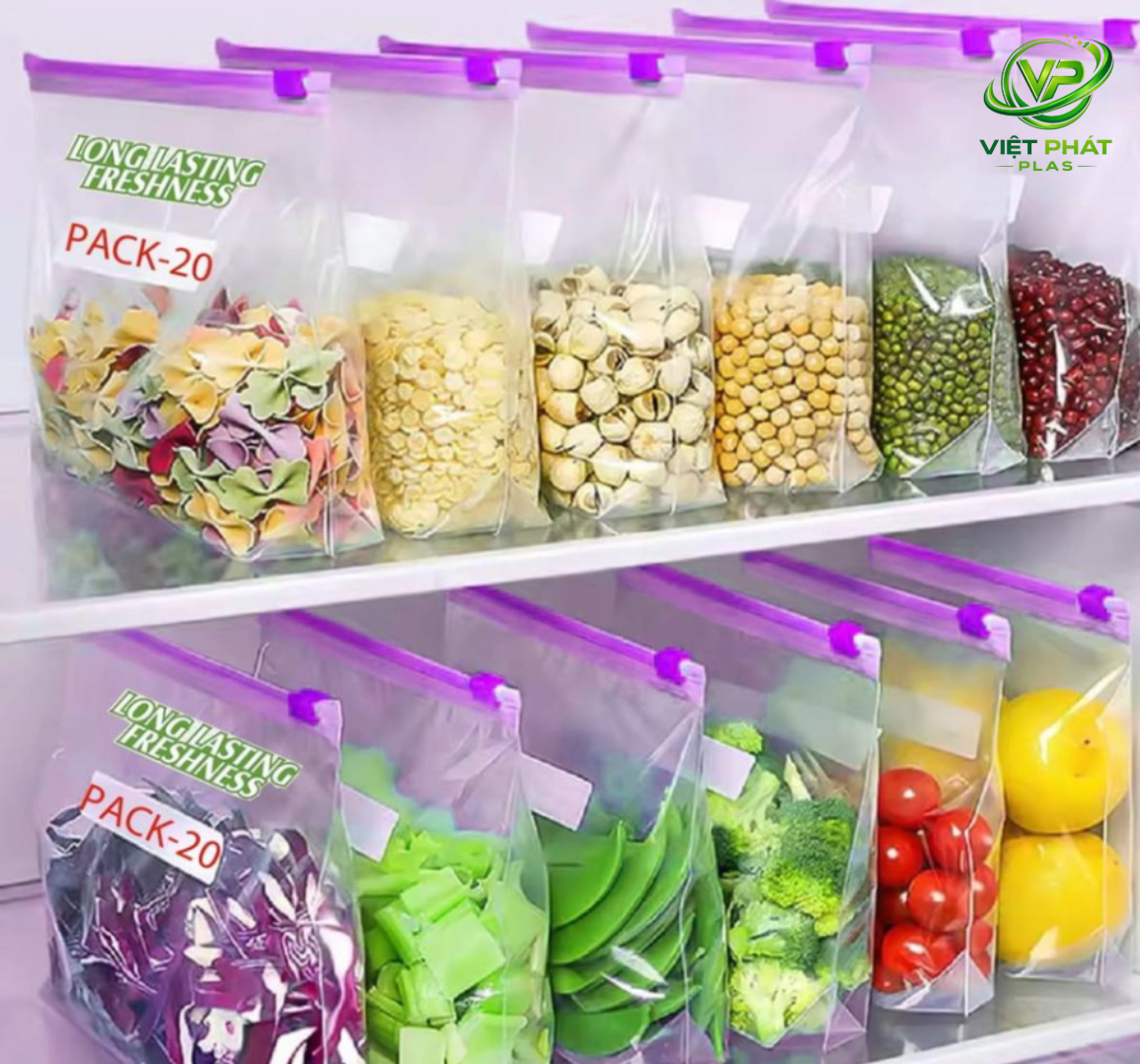
A ziploc bag is used for storing raw meat and seafood, freezing vegetables and fruits, meal preparation
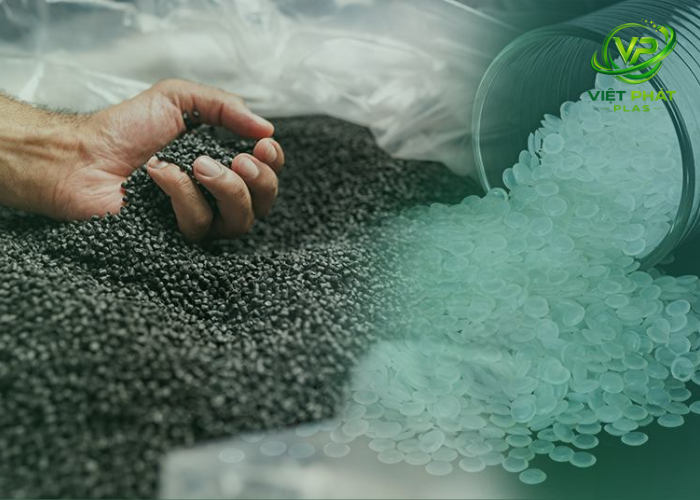
Most ziploc bag products are made from LDPE or LLDPE plastic. These materials are flexible, lightweight, and widely used in food packaging.
A ziploc bag is commonly used for:
-
Storing raw meat and seafood
-
Freezing vegetables and fruits
-
Meal preparation and portion control
-
Organizing dry food items
Some ziploc bag types are labeled food-safe, meaning they are approved for direct contact with food. However, not every plastic bag is safe for heat exposure.
Is it safe to defrost meat in a ziploc bag in the microwave?
Yes, you can defrost meat in a ziploc bag, but only if certain safety conditions are met.
The most important factor is whether the ziploc bag is labeled microwave-safe. A microwave-safe bag is designed to withstand short heating cycles without melting or releasing harmful substances.
When you defrost meat, the temperature is usually low and controlled. This makes it safer compared to cooking. However, overheating or using the wrong plastic can create risks.
To ensure safety:
-
Use only microwave-safe bags
-
Confirm the bag is food-safe
-
Avoid long heating times
-
Use low-power defrost mode
If you are unsure about the material, do not use the ziploc bag in the microwave.
What type of ziploc bag is best for defrosting meat?
Virgin freezer bags (LDPE/LLDPE)
The safest ziploc bag type for freezing and defrost meat use is virgin LDPE or LLDPE bags.
These bags are:
-
Commonly labeled microwave-safe
-
Designed for freezer storage
-
Food-safe for raw meat contact
-
Resistant to low heat conditions
They are the best option for meal prep and everyday kitchen use.
Using a high-quality ziploc bag reduces the risk of contamination and plastic damage during microwaving.
PVC or recycled plastic bags
PVC or recycled plastic bags should NOT be used to defrost meat in a microwave.
These materials are not microwave-safe and may:
-
Melt under heat
-
Release harmful chemicals
-
Contaminate food
They are also not reliable as food-safe packaging for heating purposes.
Always avoid unknown or low-quality plastic when using heat.
Tips for safely defrosting meat in a ziploc bag
Check the label
Always check if your ziploc bag is labeled microwave-safe and food-safe. This is the most important step.
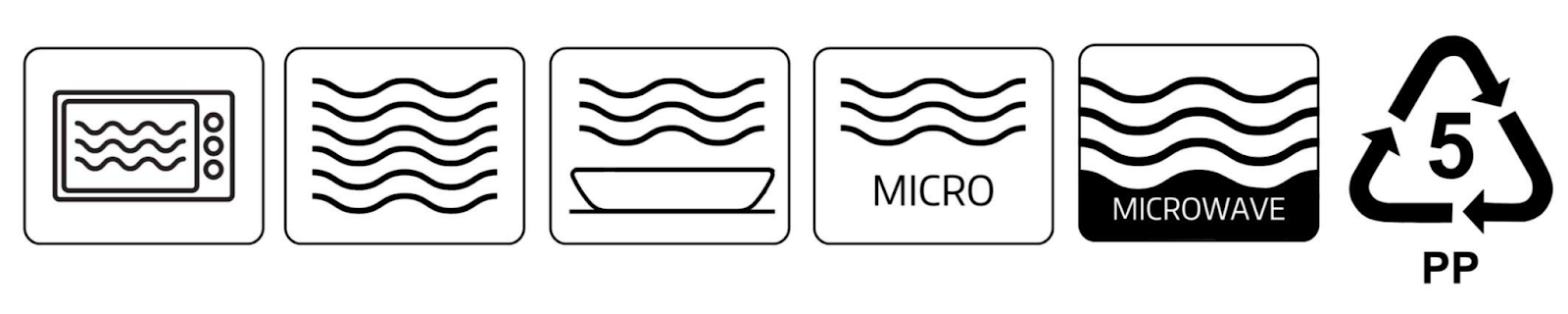
Microwave-safe and food-safe labeling ensures safe use of ziploc bags for heating food without risks
This ensures the bag is suitable for heating food without safety risks.
Open the seal slightly
When you defrost meat, do not fully seal the bag. Open it slightly to allow steam to escape and prevent pressure buildup.
This also helps maintain more even heating inside the bag.
Use the defrost setting
Always use the microwave’s defrost mode. This low power setting helps prevent partially cooking the meat while using a ziploc bag.
It keeps the texture of the meat more natural during thawing.
Avoid overheating
Do not microwave for too long. Short intervals of 3 - 5 minutes are recommended depending on meat size.
Overheating may damage the ziploc bag and reduce food safety. It can also lead to uneven defrosting of the meat.
Place on a microwave-safe dish
Always place the ziploc bag on a microwave-safe plate. This prevents leaks and keeps your microwave clean.
It also makes cleanup easier after defrosting.
Can you cook meat in a ziploc bag in the microwave?
No, you should NOT cook meat in a ziploc bag, even if it is microwave-safe.
Cooking requires higher temperatures than defrosting, which can exceed the safe limits of plastic materials.
Risks include:
-
Melting or deformation of the ziploc bag
-
Chemical release into food
-
Uneven cooking of meat
-
Food safety risks from bacteria
After you defrost meat, always transfer it to a food-safe container for cooking.
Vietphatplas ziploc bags: safe for food, freezer, and microwave use
Vietphatplas produces high-quality ziploc bag products made from virgin LDPE and LLDPE materials. These bags are designed to be:
-
Food-safe for direct contact with meat
-
Microwave-safe for short defrosting use
-
Durable for freezer storage
-
Leak-resistant and strong
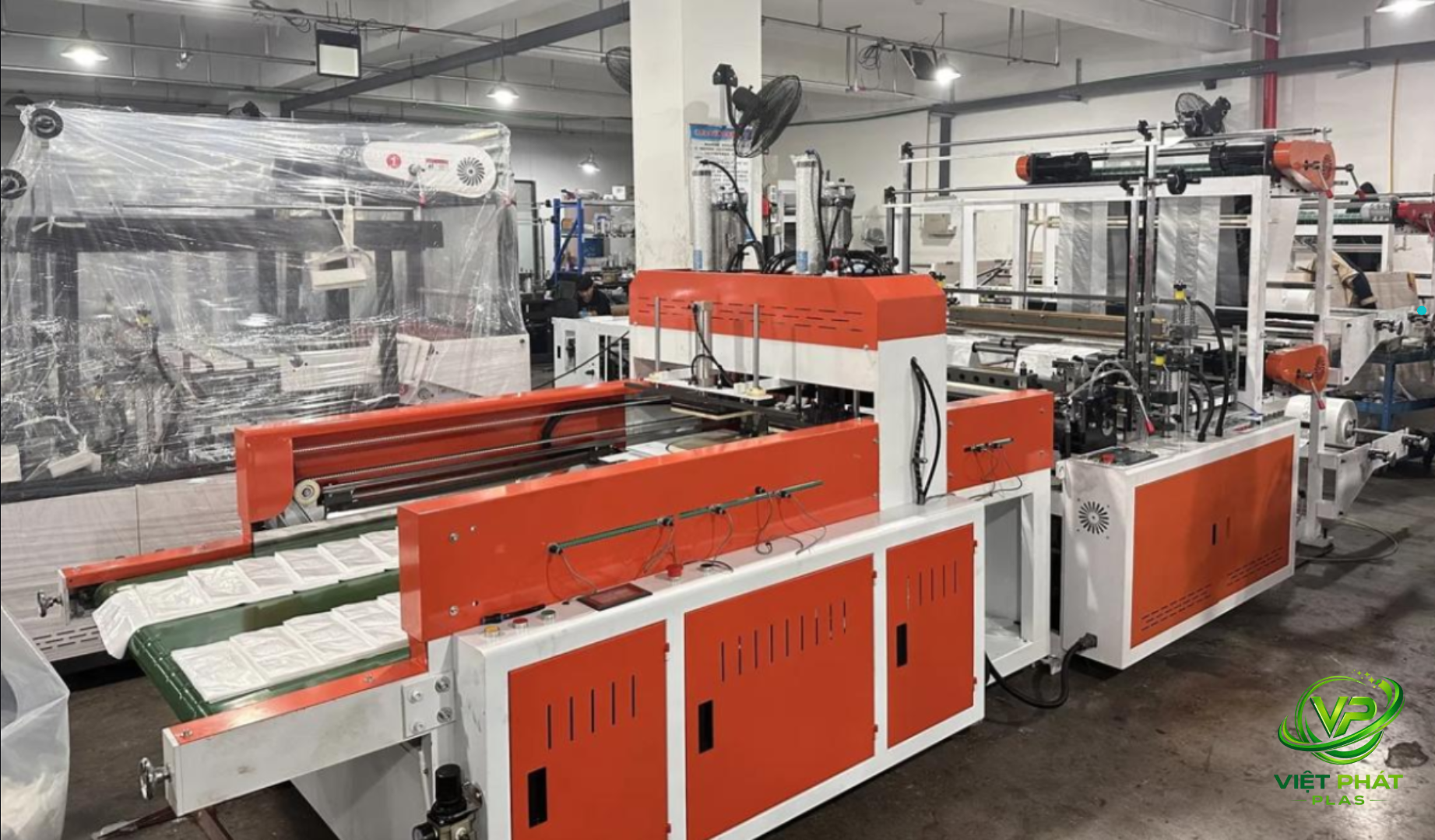
Vietphatplas produces high-quality ziploc bag products made from virgin LDPE and LLDPE materials
Working directly with a packaging manufacturer like VietphatPlas is often the best solution. Customers can receive professional consultation and stable supply. Contact VietphatPlas for more information:
-
Phone: +84 342 815 298
-
Website: https://vietphatplas.com/vi
-
Office: 119 Alley 7, Quan Chay Street, An Khanh Commune, Hanoi City
-
Factory: 119 Alley 7, Quan Chay Street, An Khanh Commune, Hanoi City
Conclusion
A ziploc bag is a very useful tool for storing, freezing, and handling food in daily life. It helps keep food fresh, prevents leakage, and makes meal prep more convenient. Many households use a Ziploc bag for meat, vegetables, and ready-to-cook ingredients.
However, safety depends on correct use, labeling, and material quality. You can safely defrost meat in a ziploc bag only if it is both microwave-safe and food-safe. These labels ensure the plastic can handle short heat exposure without melting or releasing harmful substances.
Choosing the right material like LDPE or LLDPE improves safety and durability. Always avoid overheating and follow proper steps. When used correctly, a Ziploc bag makes food preparation faster, cleaner, and more efficient.
>>>>> For quotation details and custom plastic product price, visit:
https://vietphatplas.com/en/contact-us
>>>>>>> Learn more about Top Custom Plastic Bag Manufacturer In Vietnam:
https://vietphatplas.com/en/blogs/top-custom-plastic-bag-manufacturer-in-viet-nam-vietphatplas